On a design project, the drawing set is the contract in pictures. Knowing which version was approved, by whom and when, saves days of argument later, and prevents the costliest mistake of all: building from the wrong revision.
Keep a drawing register
For every drawing:
- number and title;
- current revision;
- status: for comment, for approval, approved, for construction;
- date issued and to whom.
Issue drawings with a transmittal, so there's a record of what was sent.
Record approvals in writing
A verbal "looks good" in a meeting isn't an approval. Ask for written sign-off, by email or through a portal, and keep it with the project.
Coordinate between consultants
Architectural, structural and MEP drawings must agree. Schedule coordination reviews before each major issue, and log clashes and their resolution.
Track statutory approvals as a stage
Authority submissions have their own timeline: submission, queries, responses, approval. Track each query and response with dates. Delays here often explain delays everywhere else.
Learn from revisions
Count revisions per stage and why they happened: client changes, coordination issues, or errors. Each type has a different fix.
How MSMEPulse helps
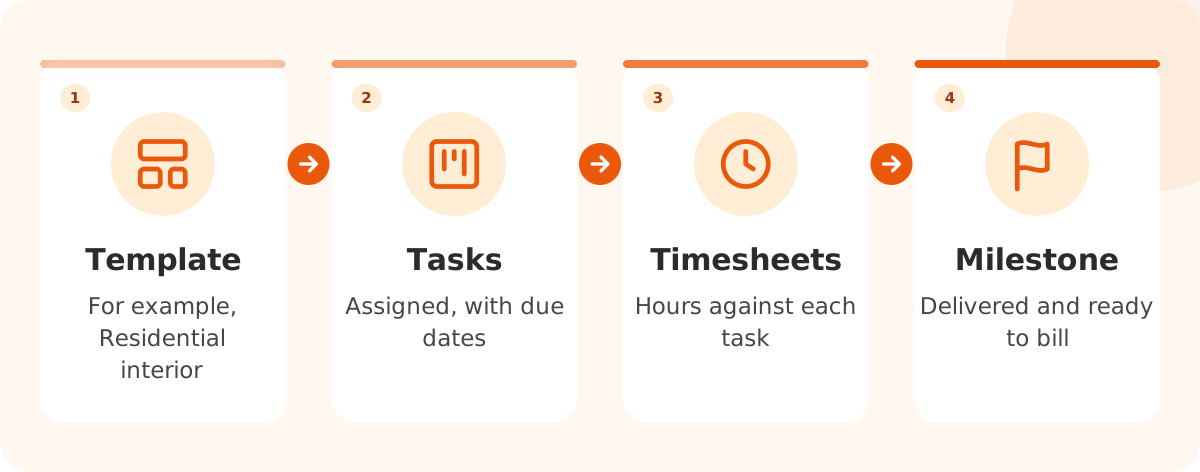
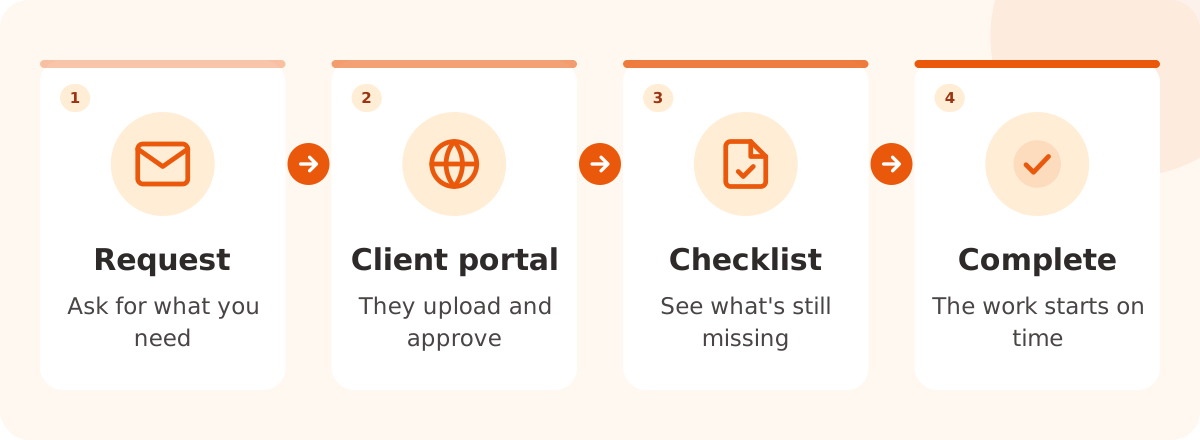
MSMEPulse includes building design, structural design, MEP design and fit-out templates with drawings and approvals as tasks and milestones. Approvals and client documents sit on the project's checklist, marked received or verified, so it's always clear what was agreed and when.