An architectural project can run for a year or more, from concept to approvals to completion. If fees are collected mainly at the end, the practice is funding the client's project with its own salaries.
Fees by stage
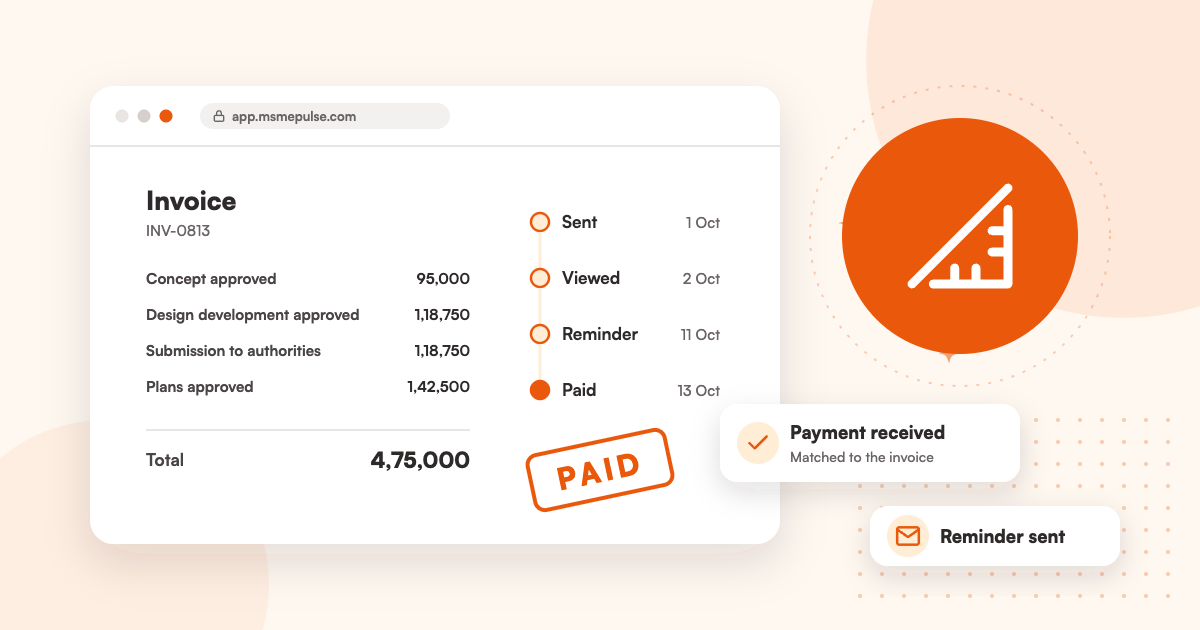
Most architectural appointments divide the fee into stages, for example:
- concept design;
- design development;
- statutory submission;
- approval received;
- working drawings and tender;
- site supervision through to completion.
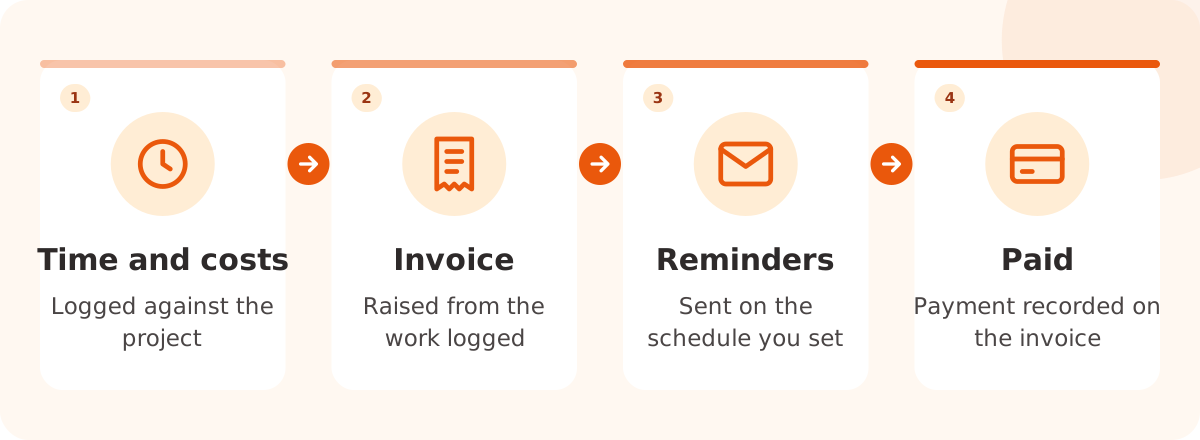
Put the percentage for each stage in the appointment letter, and invoice each stage as soon as it's reached.
Define what "reached" means
Disputes happen when the client thinks a stage isn't finished. Tie each stage to something concrete:
- concept: client's written approval of the concept presentation;
- submission: drawings submitted to the authority;
- approval: approval letter received.
Track revisions
Design changes are part of the job, up to a point. Agree how many rounds of revisions each stage includes, and how further changes are charged. Keep a record of each change request and who asked for it.
Keep the client's inputs moving
Projects stall waiting for the client: ownership documents, surveys, soil reports, decisions. Track what you need from them, with dates.
Supervision is time-based work
Site supervision is often where practices lose money: more visits than planned, over a longer period. Record every site visit and its time, and agree what happens when construction overruns.
How MSMEPulse helps
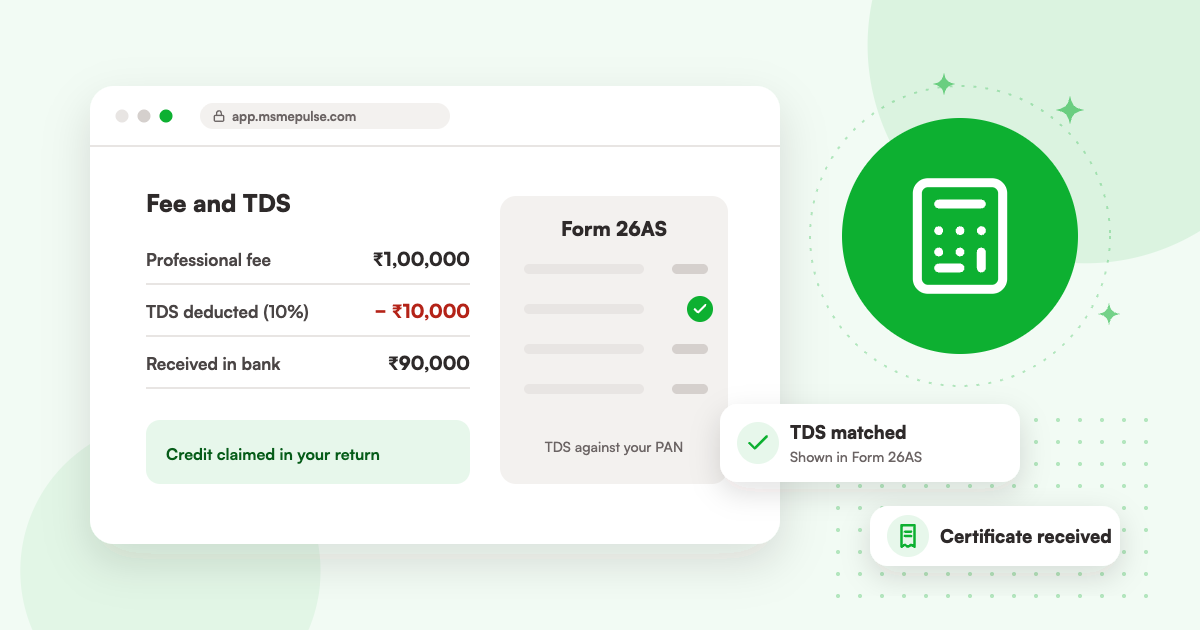
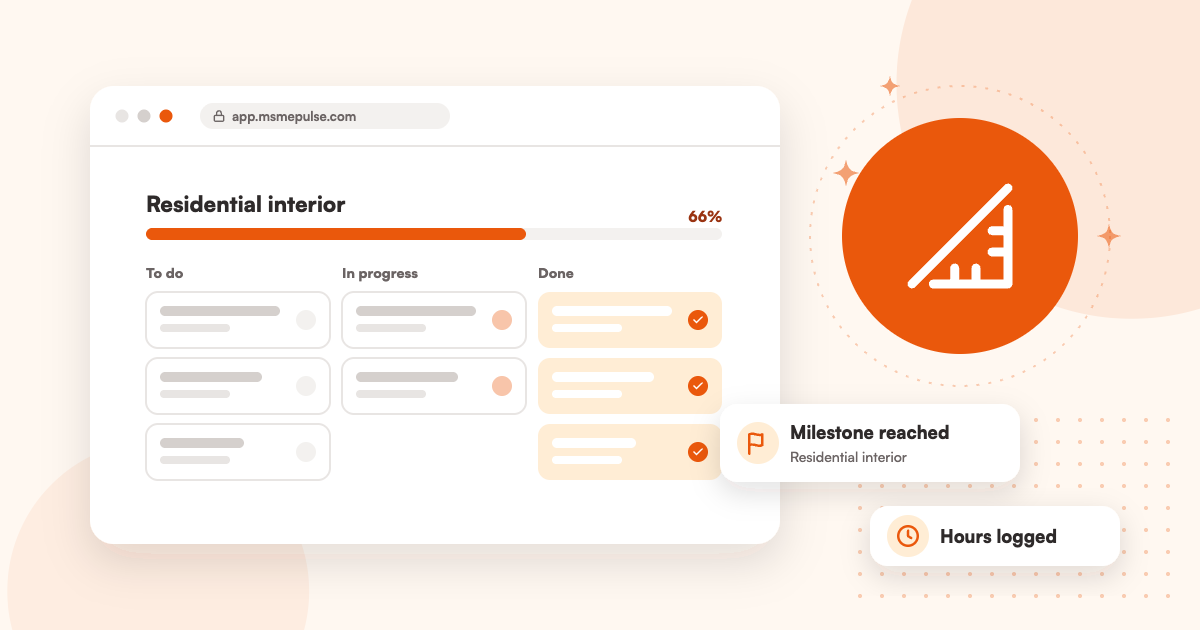
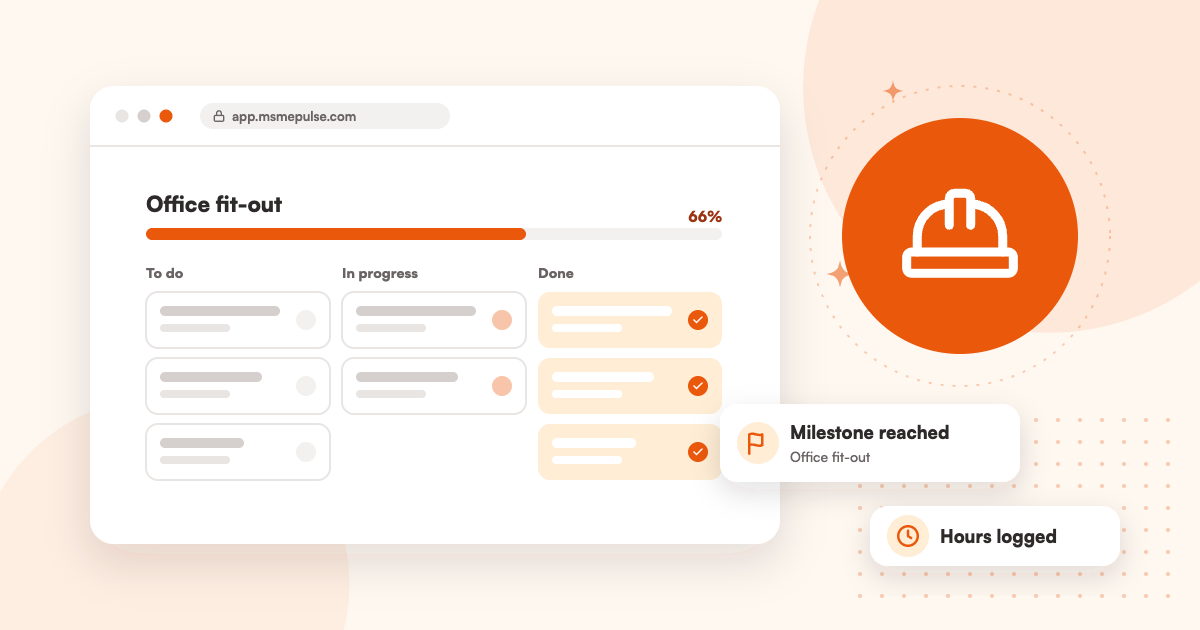
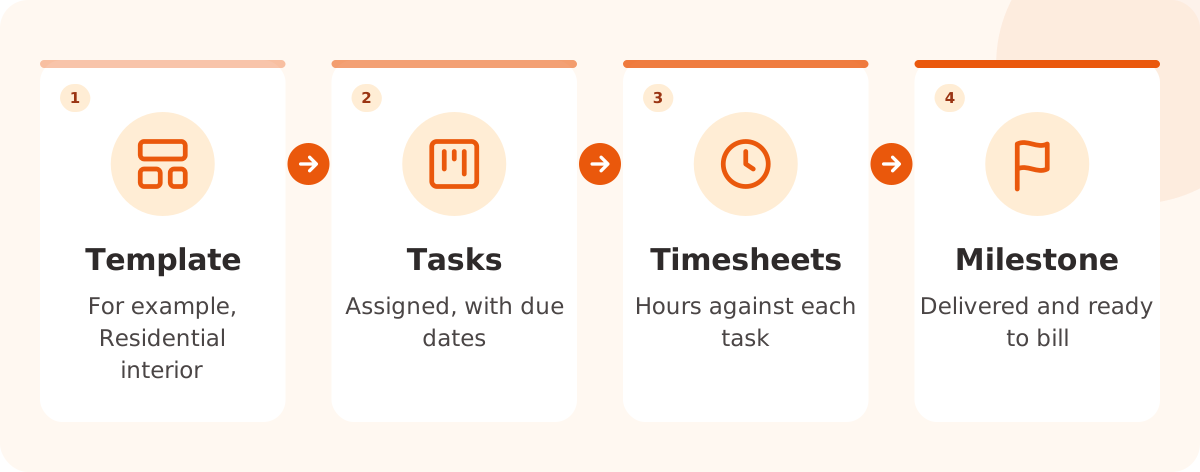
MSMEPulse includes building design and approvals, residential interior and office fit-out templates with stage milestones, each with its share of the fee, and client documents (ownership papers, surveys, approvals) on a checklist. Invoice each stage when it's reached, and log site visits and design time against the project's budget.