In a fit-out, the first 90% of the work takes 90% of the time, and the last 10% takes the other 90%. Snags, missing items and paperwork can stretch handover by weeks, holding up the final payment and souring a good project.
Start the handover file on day one
Collect as you go, not at the end:
- material approvals;
- warranties and manuals;
- test certificates (electrical, fire, HVAC);
- as-built drawings.
Run snagging in rounds
- Internal snag walk before inviting the client.
- Joint walk-through with the client.
- One list, with each snag's location, photo, owner and target date.
- Close-out walk to confirm every item.
Agree what "complete" means
Practical completion usually allows minor snags to be fixed after handover. Agree this in the contract so the final payment isn't held for a scratched skirting board.
Plan the defects period
During the defects liability period, record each defect reported, the response and the fix. A short report at the end of the period supports release of any retention.
Bill progress through the project
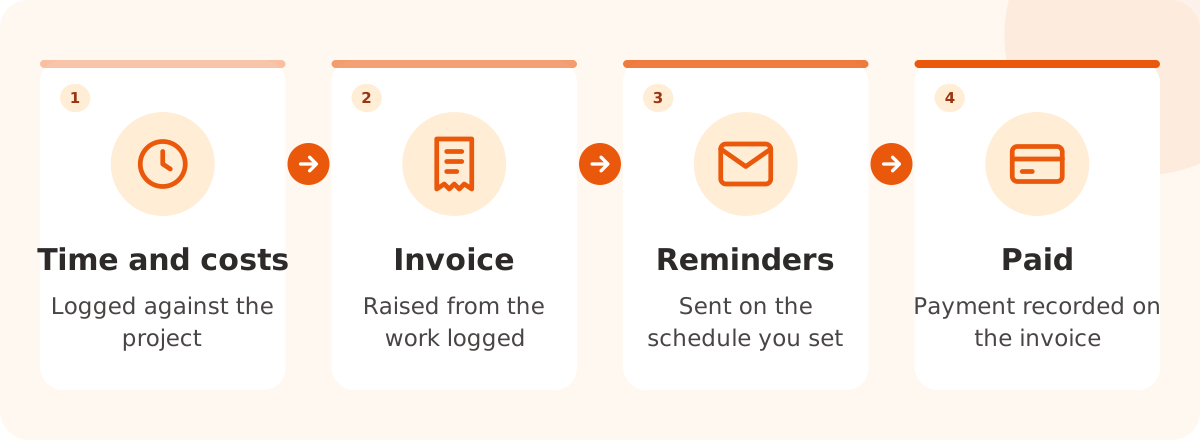
Progress billing (an advance, then payments at agreed stages of work) keeps a fit-out cash-positive. Waiting for completion to bill most of the value is risky for a small contractor.
Track materials and subcontractors
Record materials and subcontractor bills against each project as they come in, so you know the real margin before the project ends.
How MSMEPulse helps
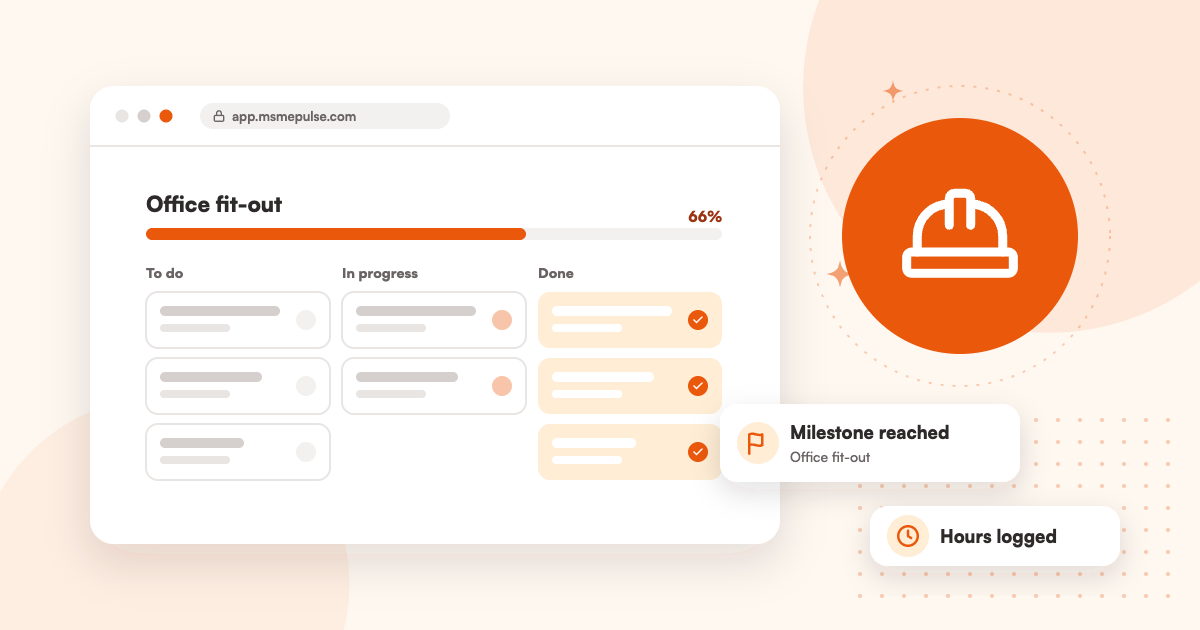
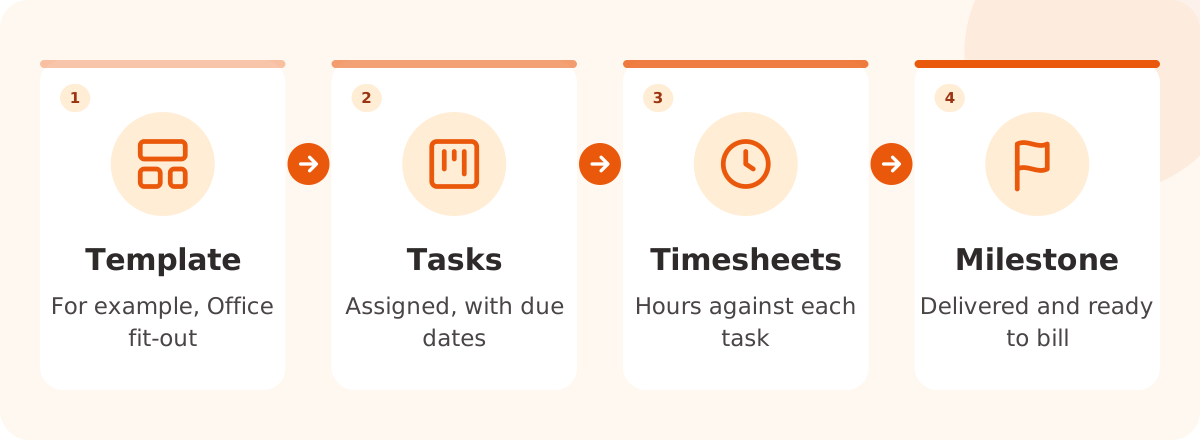
MSMEPulse includes office fit-out and renovation templates with progress milestones, site works broken into trades, and snagging, handover and defects close-out as tasks. Material and subcontractor bills are recorded against each project, and handover documents and certificates sit on the checklist.