Structural and MEP consultants design around someone else's design. When the architecture changes, the engineering changes too: new loads, rerouted services, revised drawings. Some changes are part of the job. Many aren't, and the fee doesn't cover them.
Fix the design basis early
Agree and record the design basis at the start: codes, loads, materials, design criteria. Changes to the basis later are clear variations.
Define what's included
The appointment should say:
- the stages and deliverables;
- how many revisions per stage are included;
- that changes from the architect's or client's design after a stage is approved are charged.
Log every change request
For each change: who asked, what changed, the impact on drawings and hours, and whether it's within scope. A short change log is the most persuasive document in a fee discussion.
Estimate and approve before redesigning
Send a short note with the extra time and fee before starting significant rework. Most clients accept this when it's routine.
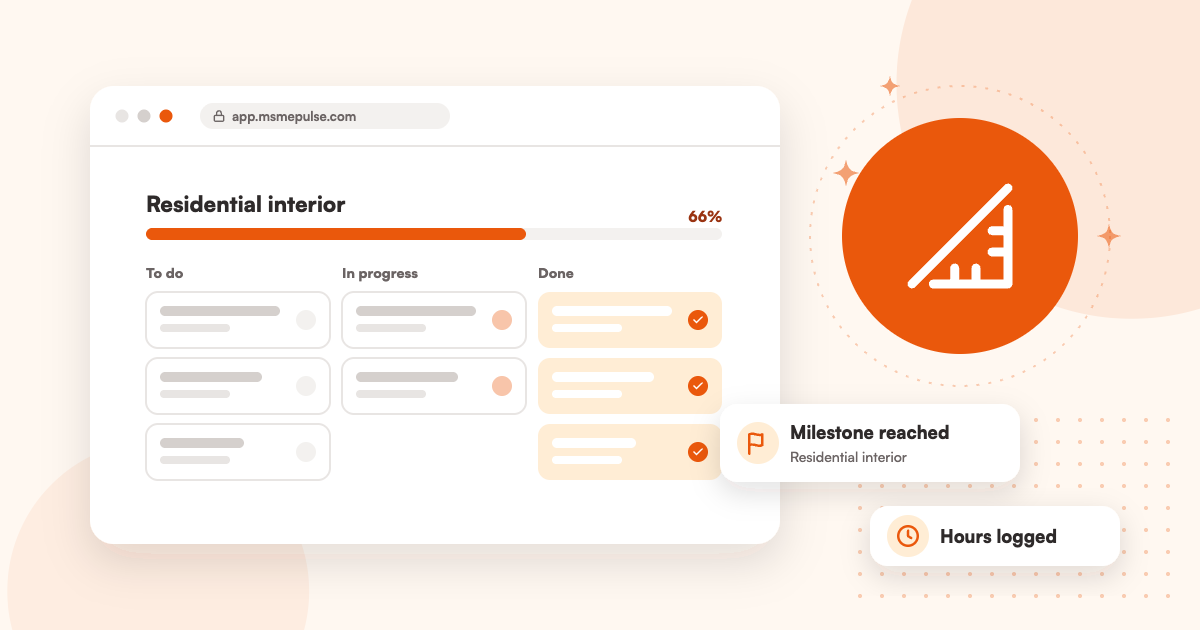
Track hours by stage
Hours against the estimate for each stage show when a project is drifting, and which clients and architects tend to generate the most changes.
How MSMEPulse helps
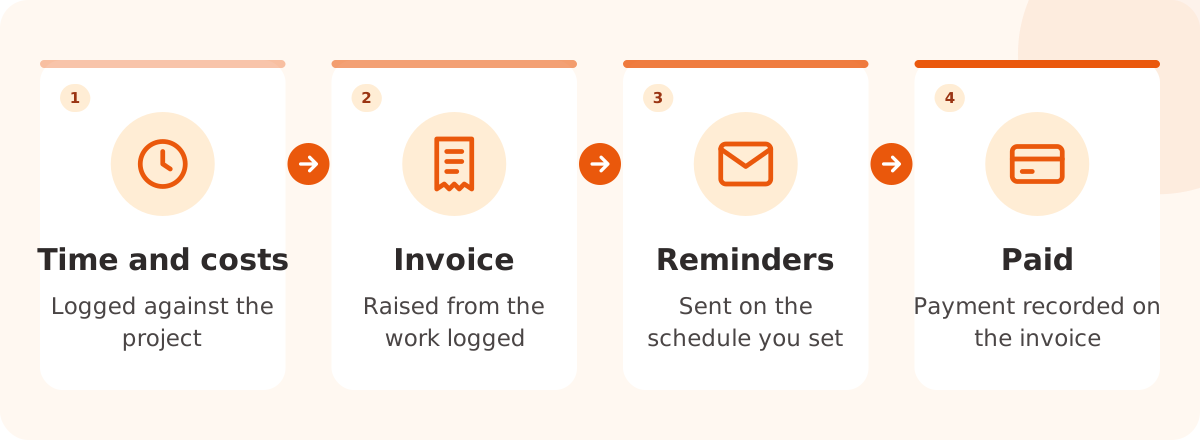
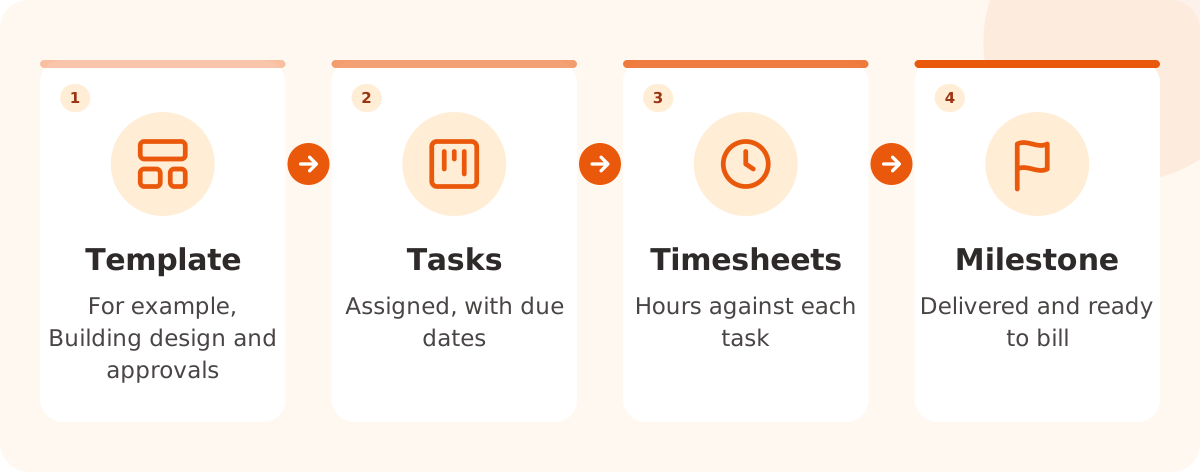
MSMEPulse includes structural design and MEP design templates with the design basis report, analysis, drawings and issue for construction as milestones and tasks. Log time by stage against the budget, quote variations as proposals, and invoice each stage and variation when it's approved.