Scope creep rarely arrives as a big demand. It arrives as "one small thing": an extra page, another round of edits, a new stakeholder with opinions. Each is easy to say yes to. Together they turn a profitable project into a loss, and a happy team into a tired one.
Start with a written scope
The proposal or statement of work should state:
- deliverables, with quantities (pages, videos, designs);
- revision rounds included;
- what the client provides, and when (content, approvals, access);
- what's not included.
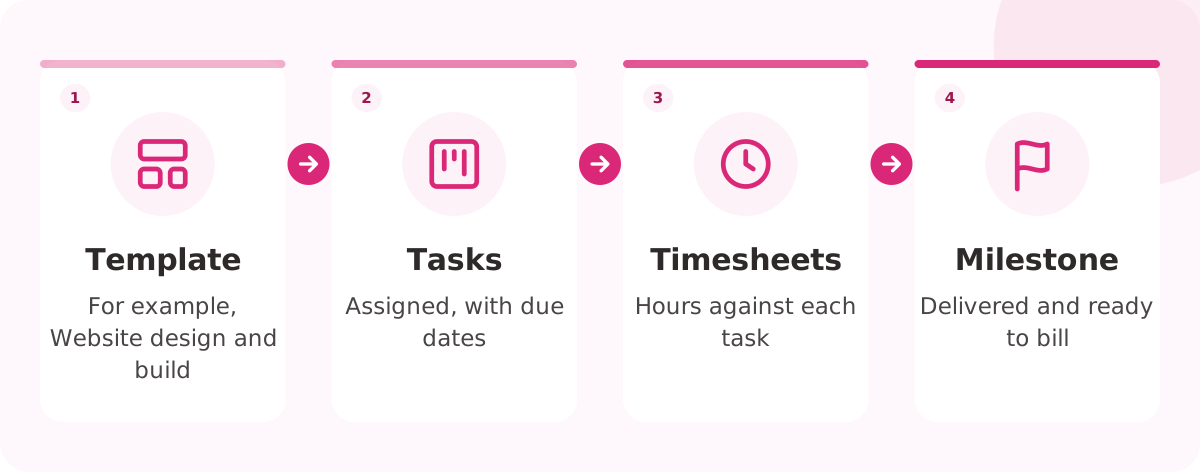
Make progress visible
Clients ask for more when they can't see what's already been done. Share:
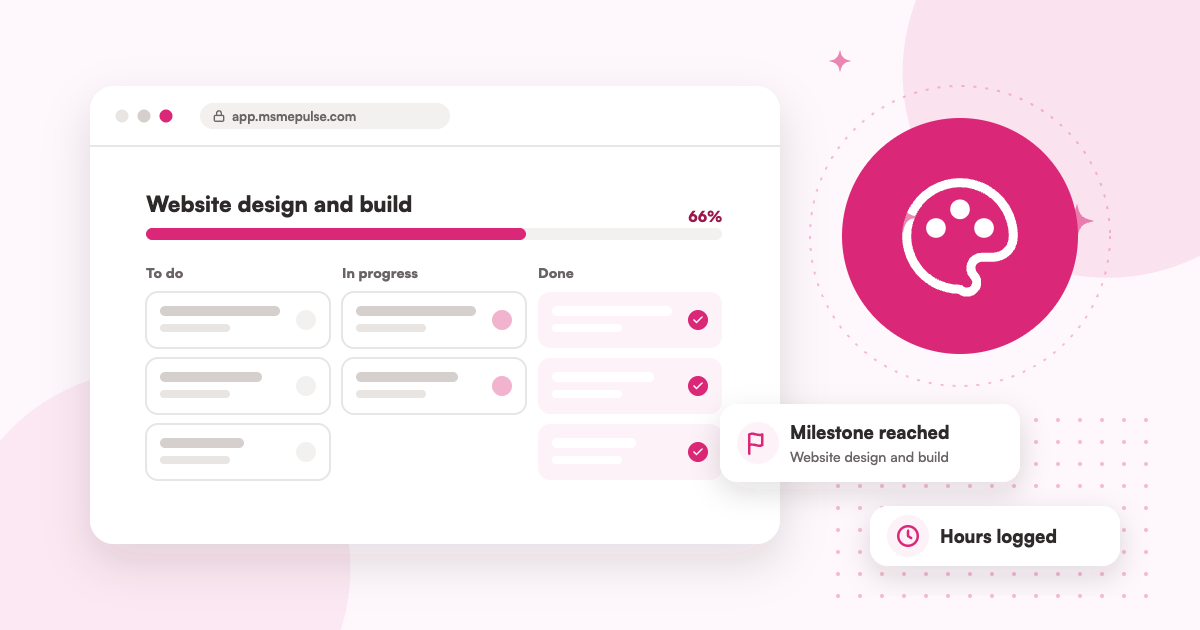
- milestones and their status;
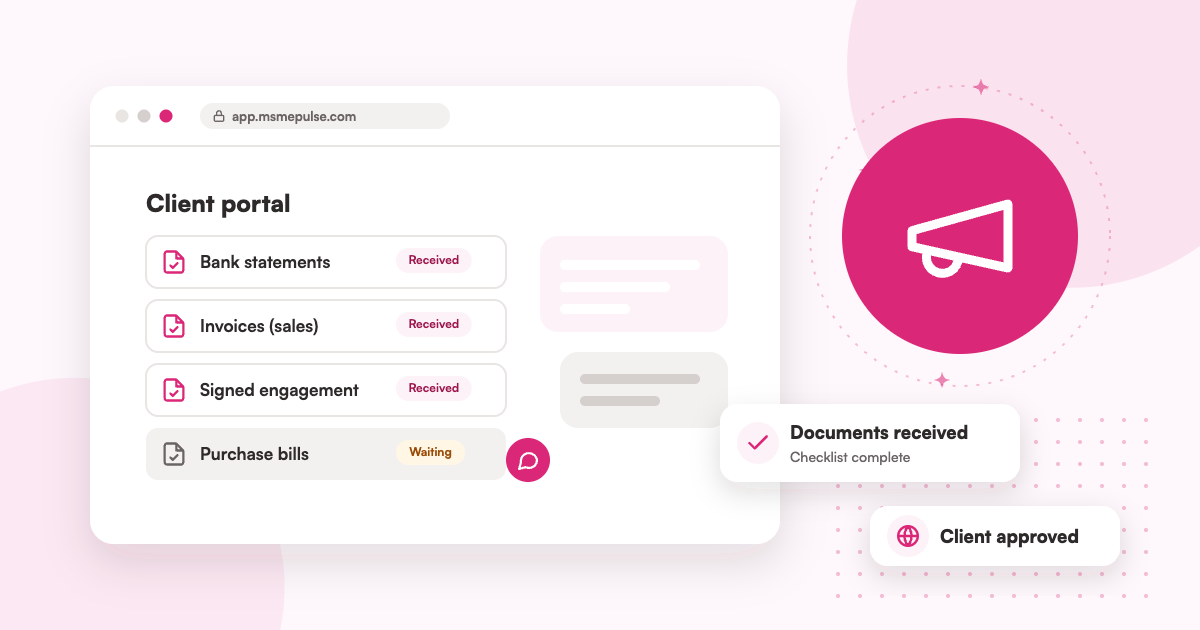
- what's waiting on the client;
- what changed, and why.
A shared view reduces the "where are we?" emails and makes conversations about scope easier.
Have a simple change process
When a request is outside scope:
- Acknowledge it positively.
- Estimate the time and cost.
- Get approval before starting.
- Add it to the plan.
Most clients are fine with this when it's routine, and it's far easier than explaining an overrun at the end.
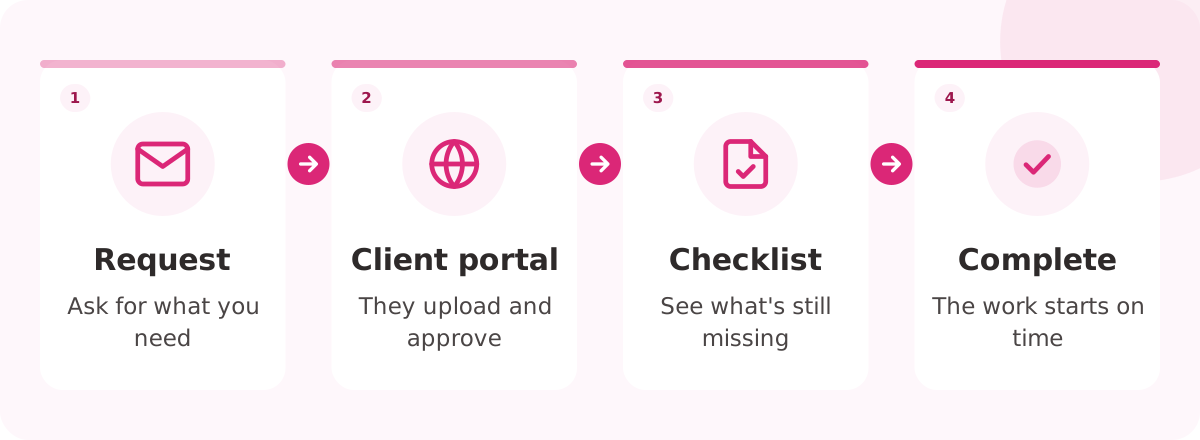
Track time from day one
Even on a fixed-fee project, track hours by stage. When design is taking twice the estimate, you'll know in week two, not after launch.
Watch the client's inputs
Many delays are caused by late content, slow approvals or missing access. Track what you need from the client with due dates, and agree that the timeline moves when inputs are late.
How MSMEPulse helps
MSMEPulse turns an accepted proposal into a project with its milestones, shows hours against the budget as work happens, and lets clients follow milestones and upload content in their portal. Extra work is quoted as a new proposal, and the website, brand identity and video production templates include the client inputs each project needs.