Monthly retainers are the backbone of many agencies: predictable income, ongoing relationships, a team that knows the brand. They also hide a risk. The fee stays the same while the work quietly grows.
The retainer creep
It starts small. An extra post, an urgent banner, a "quick" landing page. Each request is reasonable. Over six months, the team is doing a third more work for the same fee, and nobody can quite say when it happened.
Measure effort against fee
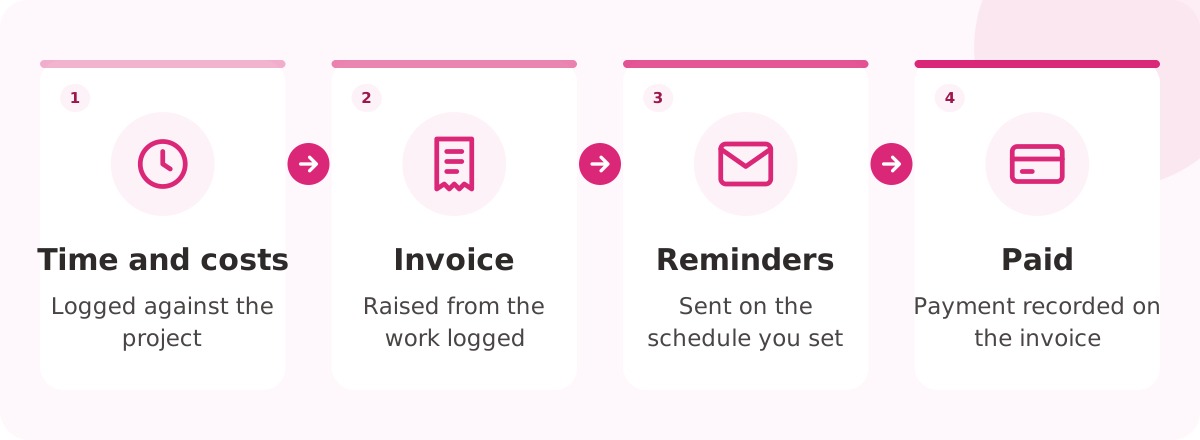
The only way to know whether a retainer pays is to compare:
- the fee each month;
- the hours the team spent on that client, at each person's cost.
That gives you an effective hourly rate per client. When one client's rate is half another's, you have a pricing problem, a scope problem or both.
Define what the retainer includes
A good retainer agreement says, for example:
- the number of posts, campaigns or deliverables each month;
- rounds of revisions included;
- response times;
- what counts as extra work, and how it's priced.
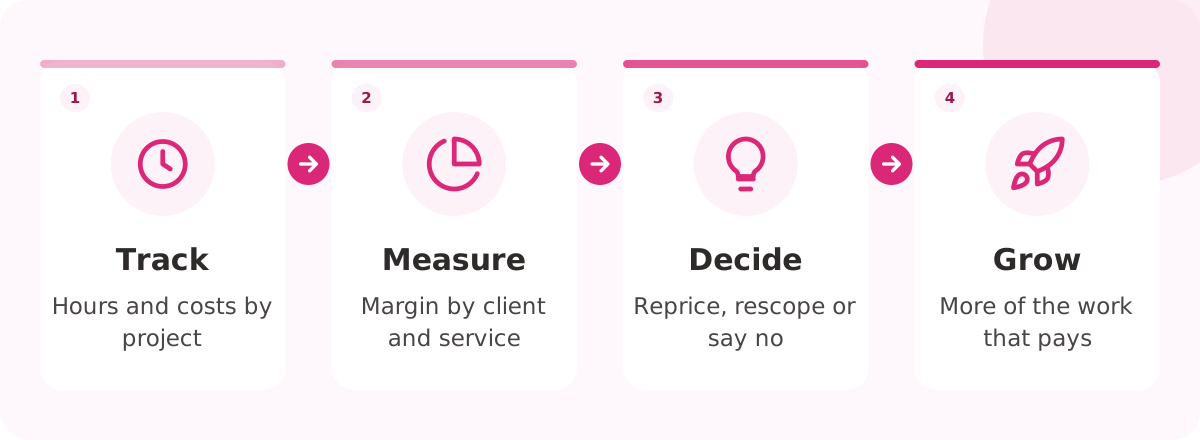
Review monthly
At each month-end, look at each retainer:
- hours spent against the hours the fee assumes;
- requests outside the agreed scope;
- trends over three months.
Share the summary with the client. It's much easier to discuss a fee change with three months of data than with a feeling.
Price extra work separately
When a request is clearly outside scope, quote it before starting. Clients usually respect it, and it keeps the retainer honest.
How MSMEPulse helps
MSMEPulse lets you run each retainer as a project with its monthly fee, and log the team's time against it. The project budget report shows each month's hours against the hours the fee allows, and extra work can be quoted as a proposal and billed separately.