Market research projects look simple on paper: design, fieldwork, analysis, report. In practice, each stage has its own risks, and each delay or extra request comes out of your margin.
Lock the design before fieldwork
The questionnaire and sampling plan are the foundation. Changes after fieldwork starts are expensive.
- Get written sign-off on the questionnaire.
- Pilot it with a small sample and fix problems before the main fieldwork.
- Agree how additional questions or segments will be priced.
Track fieldwork daily
Fieldwork is where timelines slip: low response rates, hard-to-reach segments, quality issues. Track completes against target daily and act early: extend the timeline, adjust incentives, or agree changes to the sample with the client.
Control the analysis
Clients often ask for "just one more cut" of the data. Each one takes time. Agree in advance:
- the standard tables and cross-tabs included;
- how many rounds of revisions to the report;
- how extra analysis is priced.
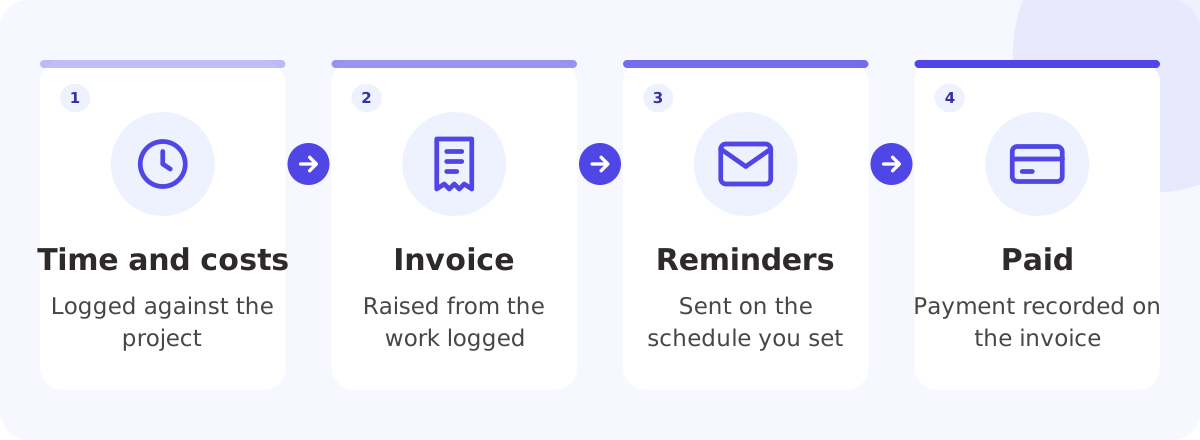
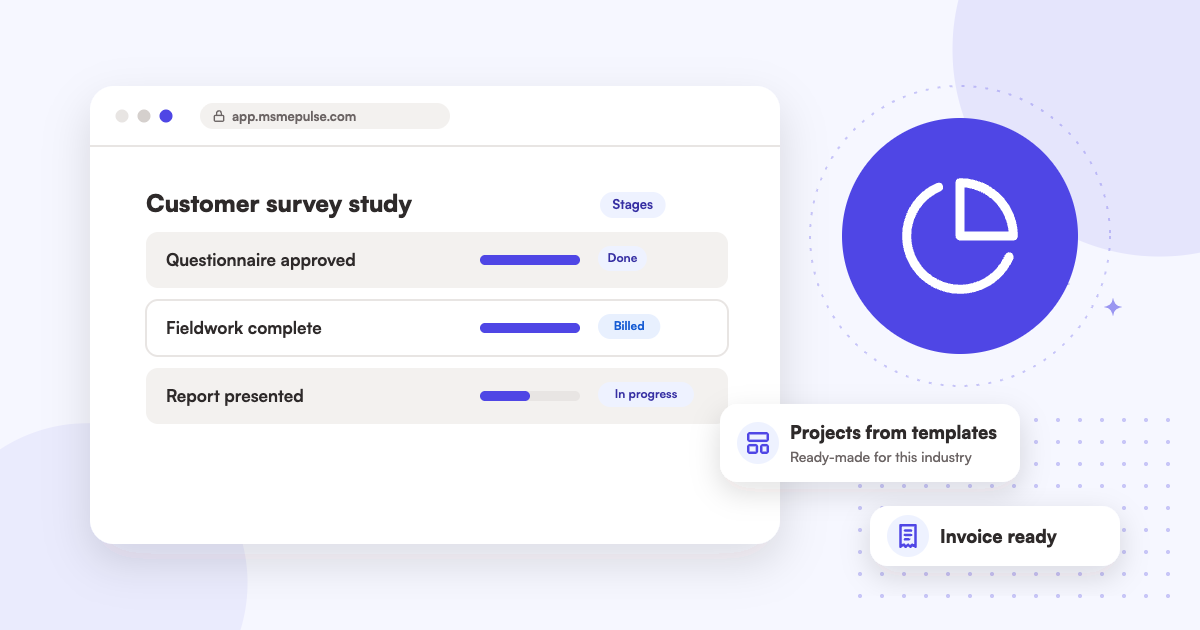
Bill in stages
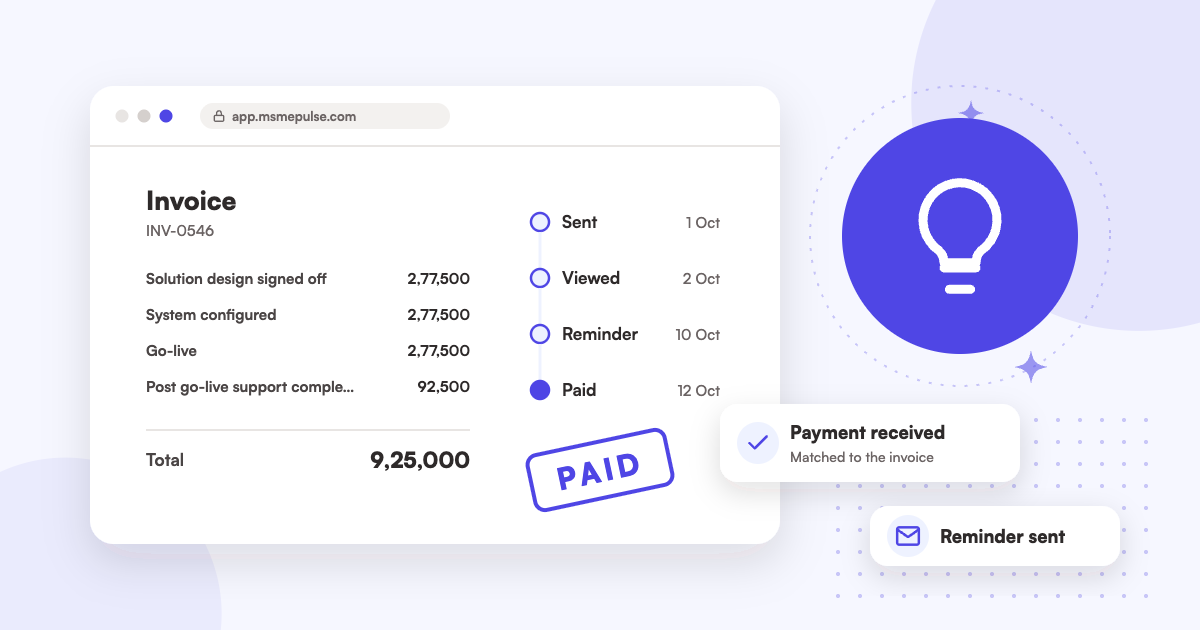
- A share on signing.
- A share when fieldwork is complete.
- The balance on the final report.
This matches cash to the work, especially when fieldwork costs are paid out before the report.
Compare estimate and actual
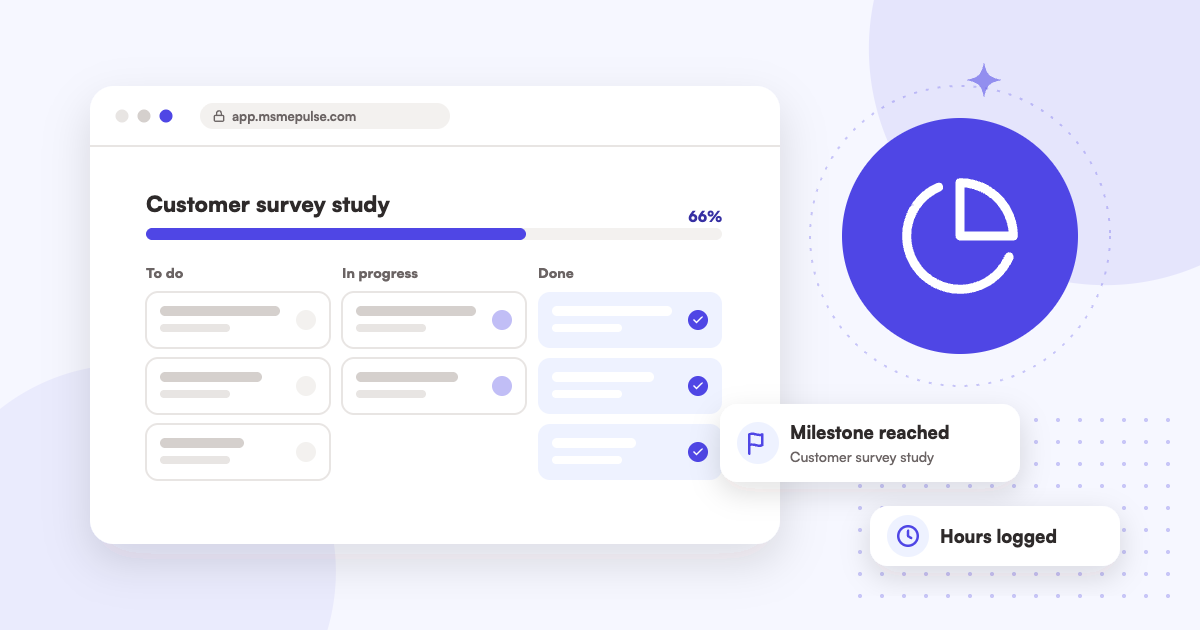
Track hours and fieldwork costs against the estimate for every project. After a few projects you'll know where your estimates are weak.
How MSMEPulse helps
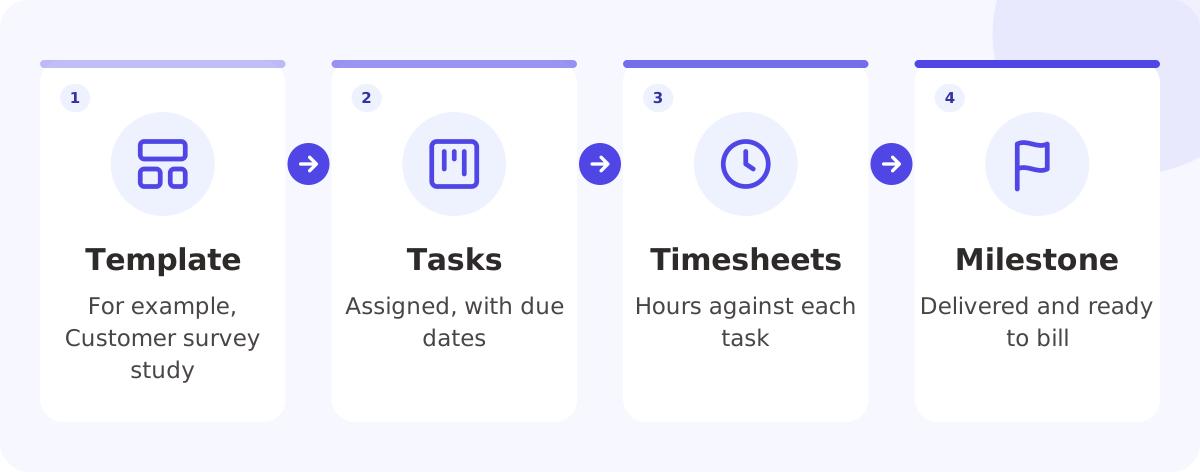
MSMEPulse includes customer survey and market entry study templates with stages, tasks and client approvals on a checklist. Track hours and expenses such as fieldwork costs against each project's budget, and invoice each stage when it's done.