Every consulting proposal comes down to a pricing choice. Fixed fees are easy for clients to approve. Time and materials protects you when the scope is uncertain. Most firms use both, and the skill is knowing which to use when.
When a fixed fee works
- The scope is clear and you've done similar work before.
- The client wants budget certainty.
- You can control the effort: the deliverable is defined, and the inputs are in your hands.
Examples: a diagnostic study, an ISO gap analysis, a market sizing report, a business plan.
When time and materials works
- The scope will evolve: implementation support, change programmes, advisory retainers.
- The client controls key inputs: their data, their people, their decisions.
- The engagement is open-ended.
Protecting a fixed fee
- Write the scope precisely: deliverables, number of workshops, number of review rounds, what's excluded.
- Estimate by stage and role, not as one number.
- Track time against the estimate weekly. Fixed fee doesn't mean you stop recording time.
- Raise changes early, with a price, before doing the extra work.
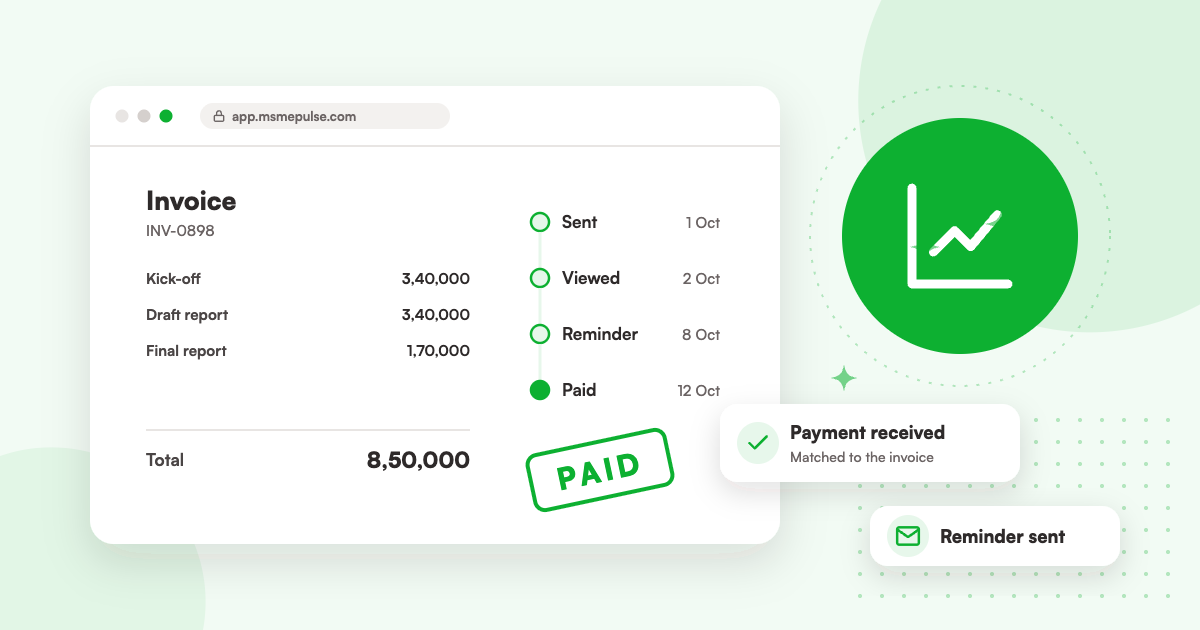
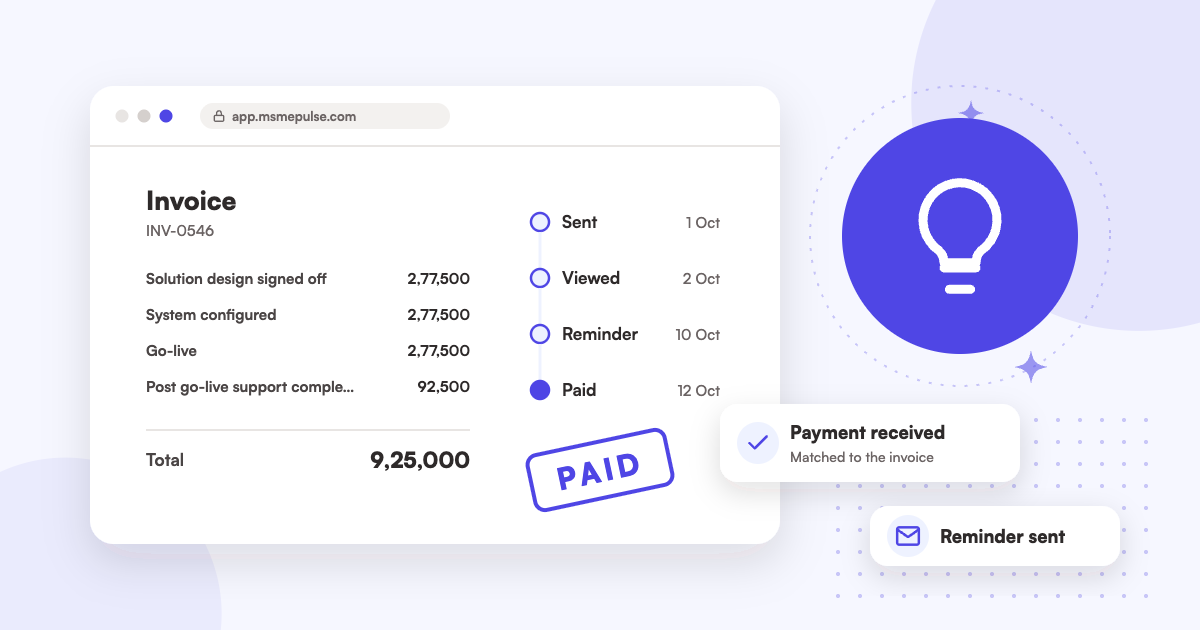
- Bill by milestone: a share on signing, then on key deliverables.
Making time and materials acceptable to clients
- Give an estimate range and a cap that triggers a conversation.
- Send regular reports of hours by person and activity.
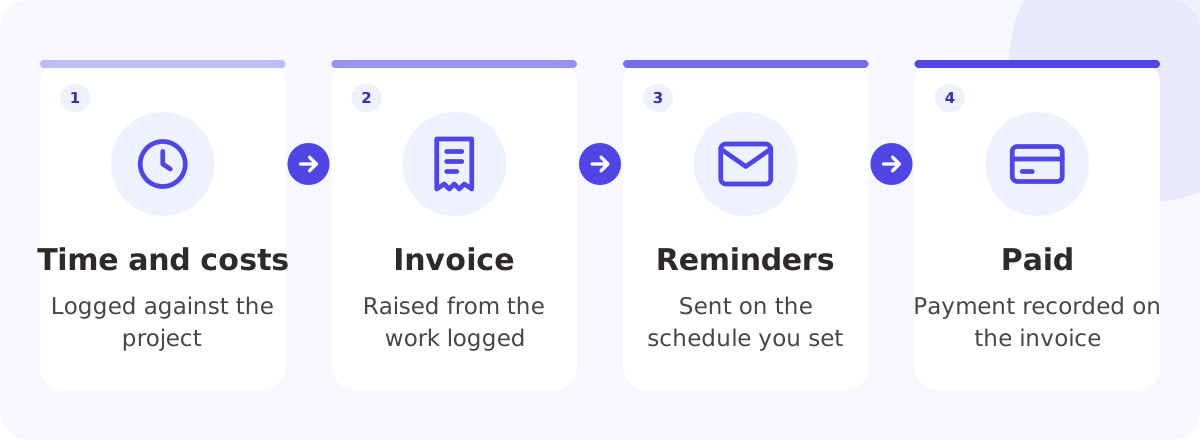
- Approve time weekly so invoices are accurate and timely.
A hybrid that often works
A fixed fee for a defined first phase (diagnosis, design), then time and materials or a monthly retainer for implementation. The client gets certainty up front, and you're protected once the work becomes open-ended.
Learn from every engagement
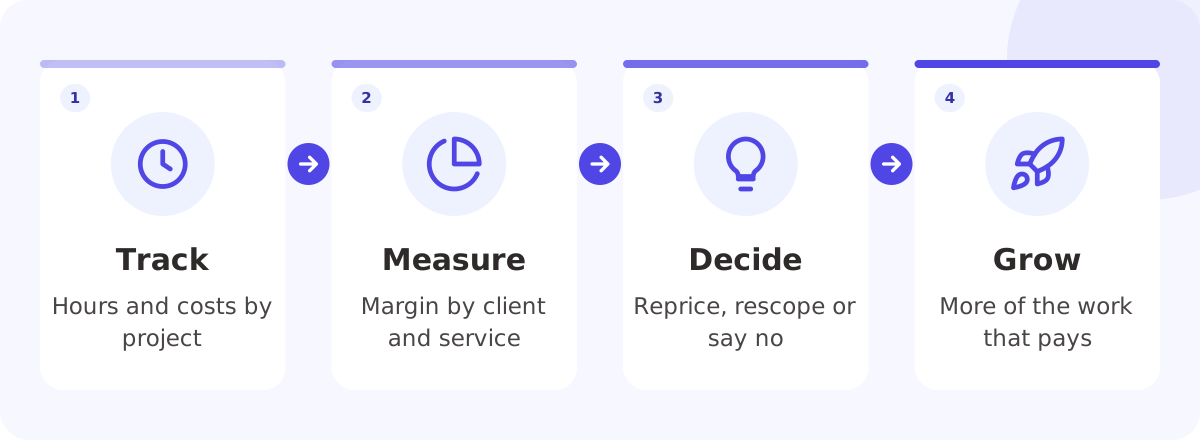
At the end of each engagement, compare the estimate with the actual hours by stage. Over a year, this is the best pricing data you'll ever have.
How MSMEPulse helps
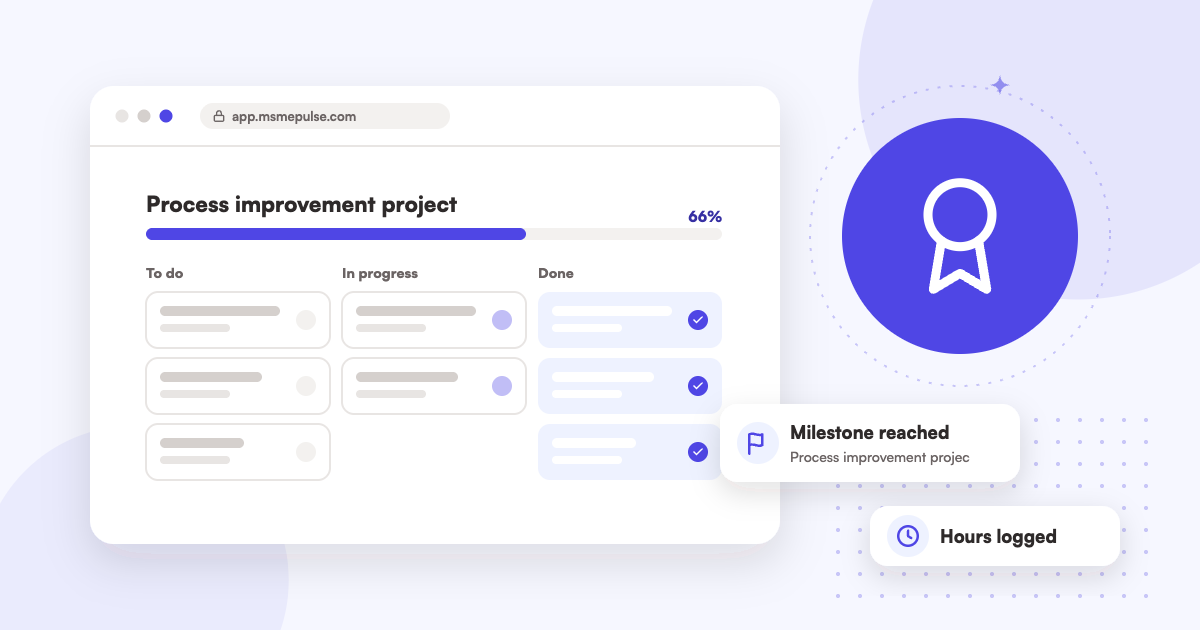
MSMEPulse supports fixed-price projects billed by milestone, time-and-materials projects billed from approved timesheets, and retainers, in the same firm. Each project shows hours used against its budget as the work happens, and proposals turn into projects with their milestones when the client accepts.