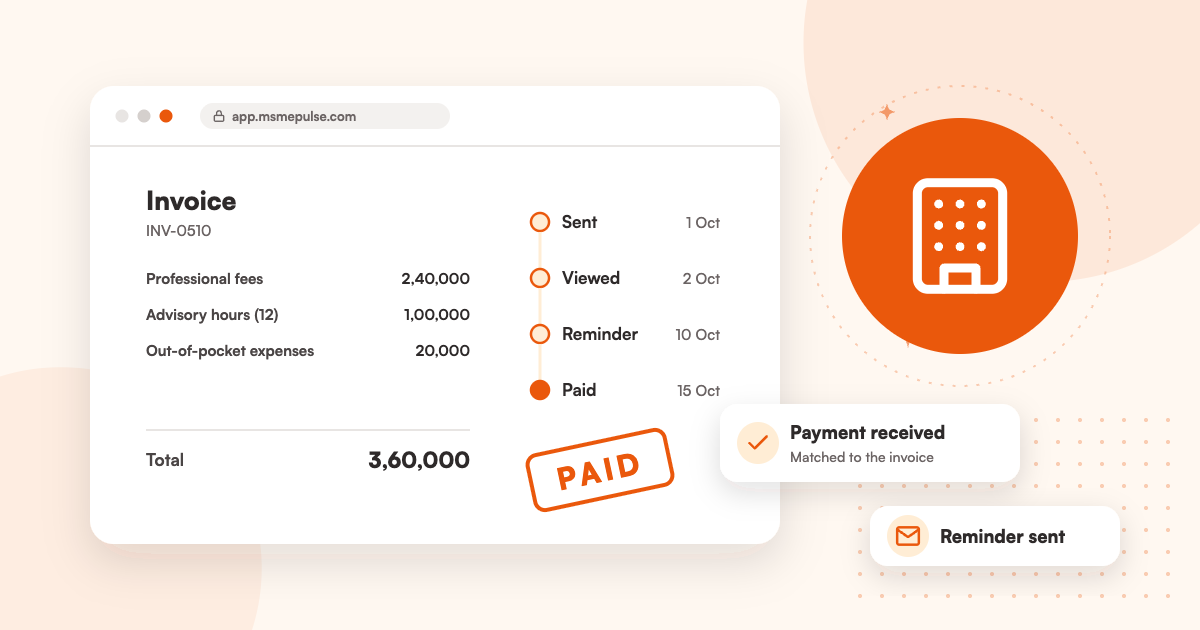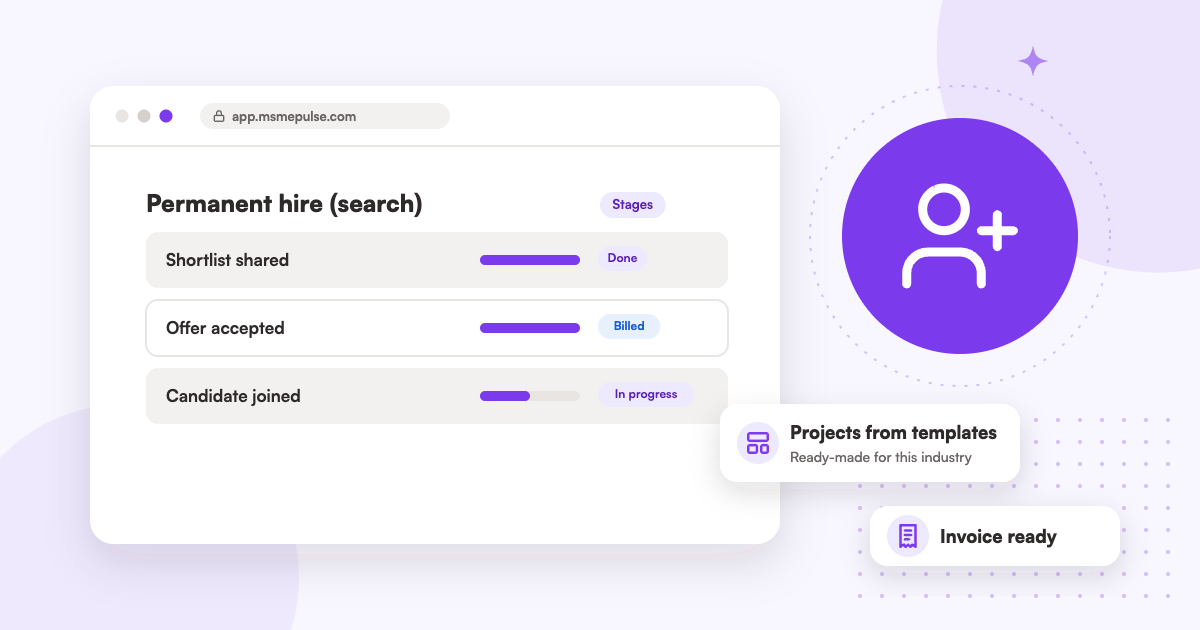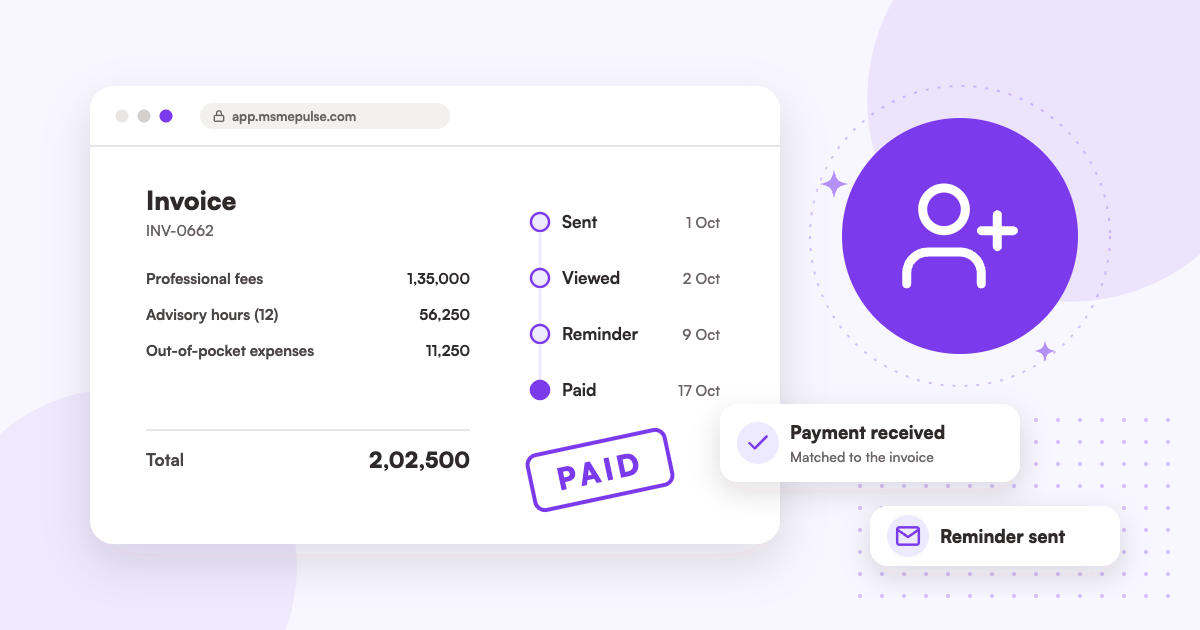
For a recruitment agency, each open role is a small project: understand the brief, source, screen, shortlist, interview, offer, and then the anxious wait to see if the candidate actually joins. The fee depends on that last step, and sometimes on the months after it.
Agree terms before you start
Terms of business should cover:
- the fee (often a percentage of annual salary);
- when it's due (usually on the candidate's joining date);
- the replacement guarantee (for example, a free replacement if the candidate leaves within an agreed period);
- what happens if the client hires a candidate you introduced through another route.
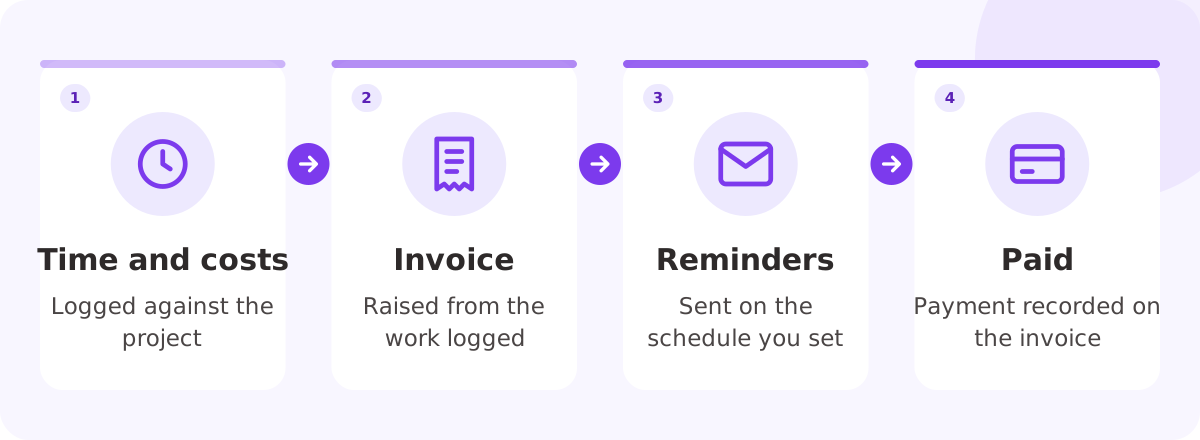
Treat each role as a project
Track for each role:
- the brief and job description;
- candidates at each stage;
- interview dates;
- offer details and the expected joining date.
Invoice on joining, not later
Confirm the joining date with the client and invoice the same day. Delays in invoicing are delays in being paid.

Track the guarantee period
Note when each guarantee period ends. If a candidate leaves early, the replacement search starts immediately, and the client sees you honour the guarantee.
Know your numbers
For each client and recruiter: roles worked, placements made, average time to fill, and fees earned. These show which clients and roles are worth your time.
How MSMEPulse helps
MSMEPulse includes permanent hire and contract staffing templates: role brief, sourcing, interviews, offer and joining as tasks and milestones, with the fee due on joining. Terms of business and offer letters sit on the client checklist, and leads and deals track new client business in the sales pipeline.