An event company sits between the client and a dozen vendors: venue, catering, décor, AV, photography, transport. Vendors want advances. Clients want to pay after the event. The gap is your working capital, and on a large event it can be significant.
Collect advances from clients
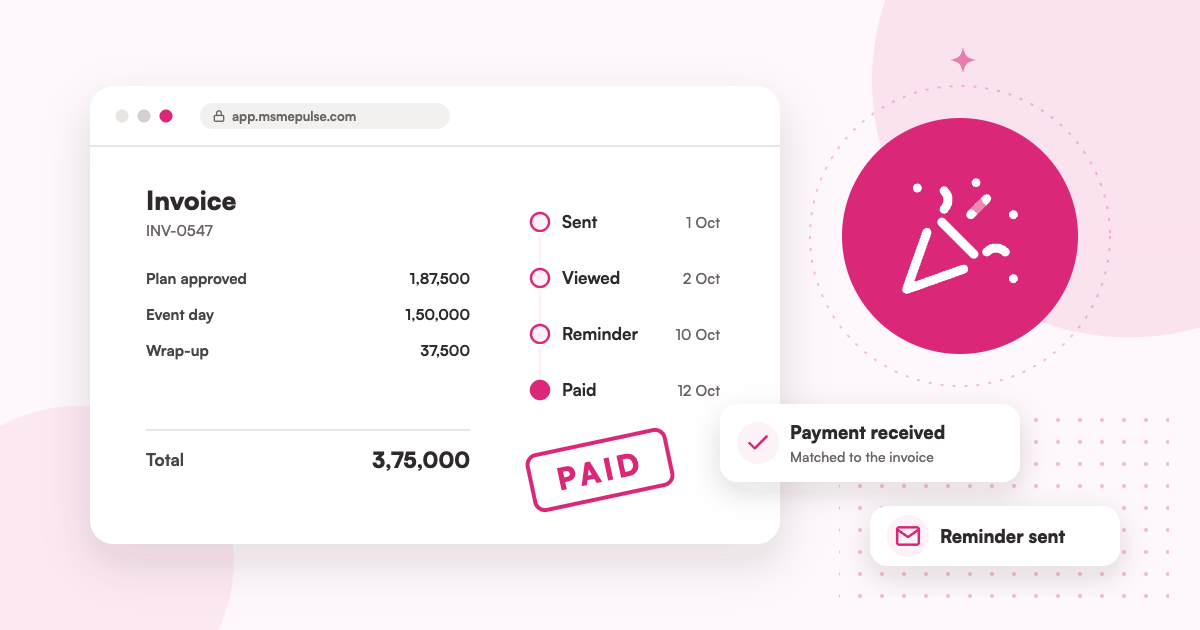
Make advances standard:
- a share on booking, enough to cover vendor advances;
- a share before the event;
- the balance after the event, on settlement.
Put the schedule in the signed quote.
Track every vendor commitment
For each event, keep a list of vendors with:
- the agreed amount;
- advances paid;
- balance due, and when;
- the contract or quote.
Vendor costs often change as the event approaches. A running list shows the true cost before the event, not after.
Watch the margin as you go
Compare the client's budget with vendor commitments and your fees throughout planning. Changes the client asks for should be priced before they're confirmed with vendors.
Taxes on vendor payments
In India, payments to contractors often require TDS under section 194C, and vendors' GST invoices must be correct for you to claim input tax credit. Get the details right as you go, not at year-end.
Check the current rules with your accountant.
Settle quickly after the event
Close each event within a week or two: final vendor bills, client settlement invoice, and a short report. Late settlement delays your final payment.
How MSMEPulse helps
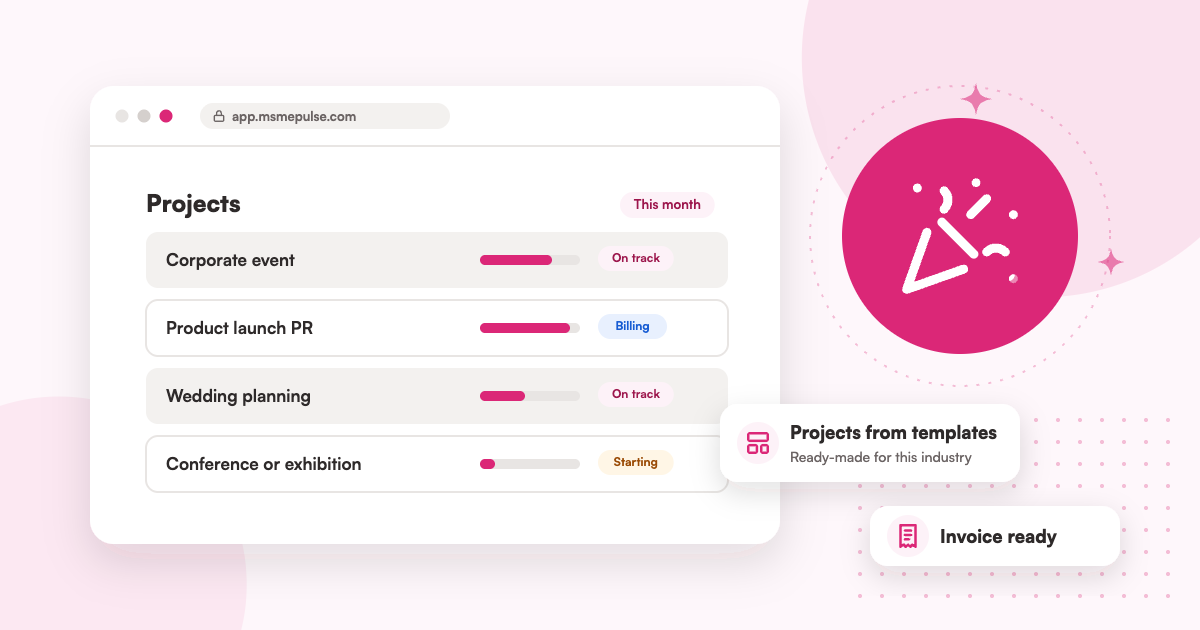
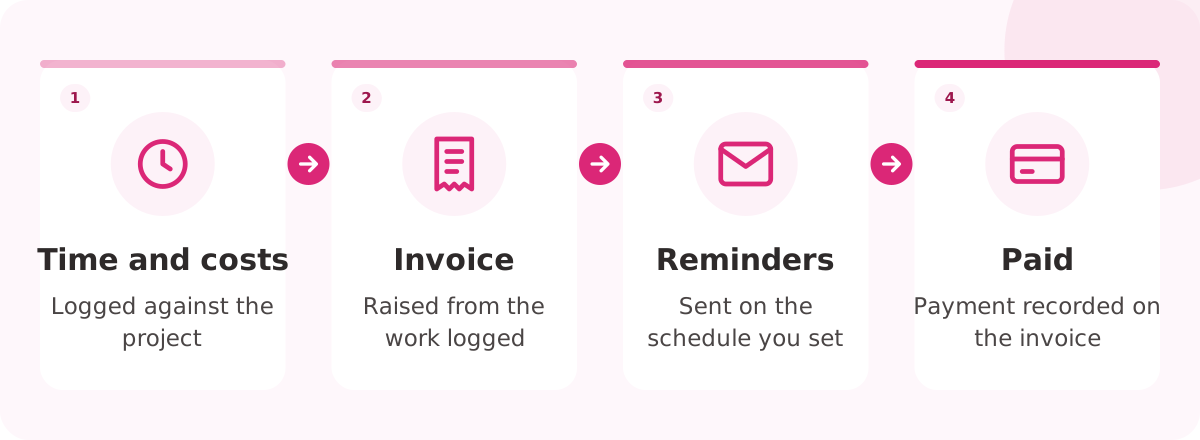
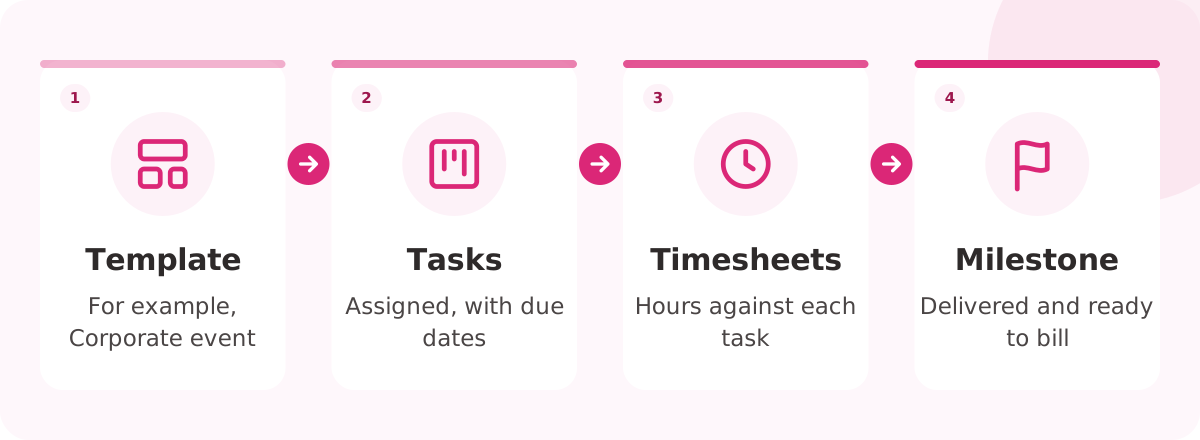
MSMEPulse includes corporate event, wedding planning and conference templates with planning milestones, vendor bookings as tasks, and contracts on a checklist. Record vendor bills against each event, track what's paid and owed, and invoice the client by milestone.